—
--:--

Mitchell Licht
I design products from language to interface and build the systems behind them.
Hi, I'm Mitch. I run before most people are awake and fall asleep before some people eat dinner. I've lived in New York, London, Denver, and San Francisco, and I love seeing how communication shifts from city to city—and country to country.
My husband, our golden retriever Rocky, and I are planning our next move: the EU or UK.
At the top of the funnel, 41% of SoFi app users skipped product selection, and only 8% of those ever adopted a product. At the bottom, credit score monitoring lived behind a separate discovery flow most never activated or knew existed.
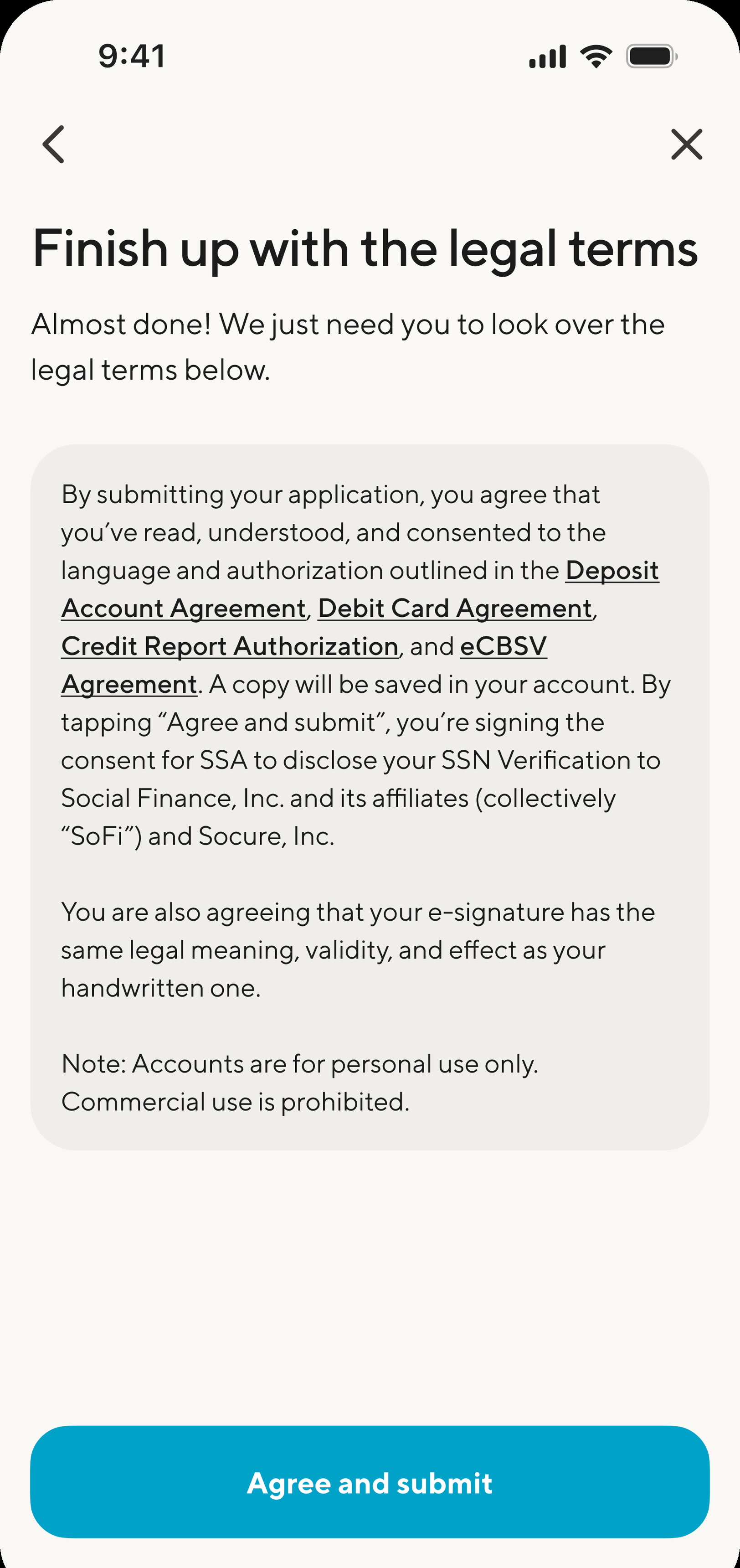
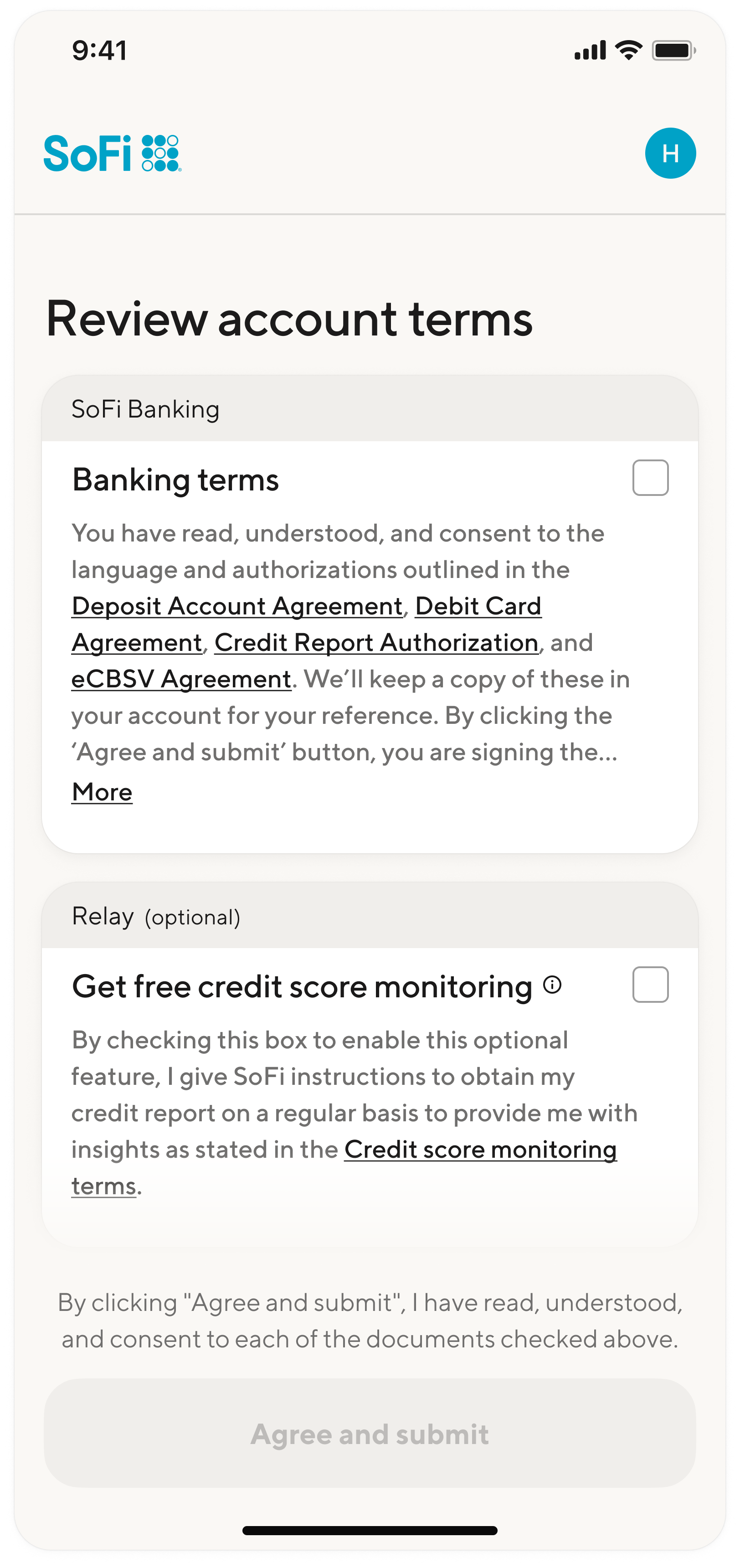
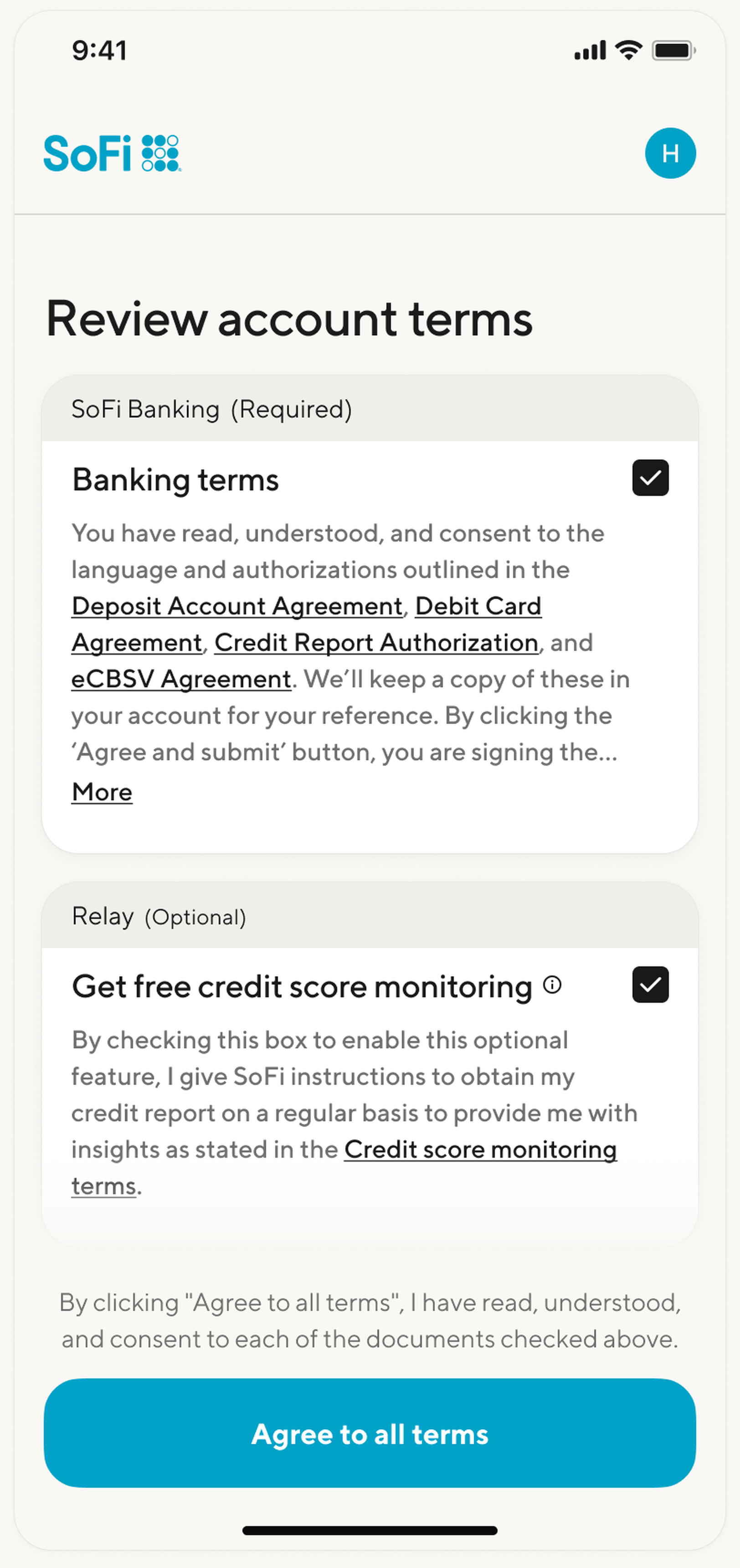
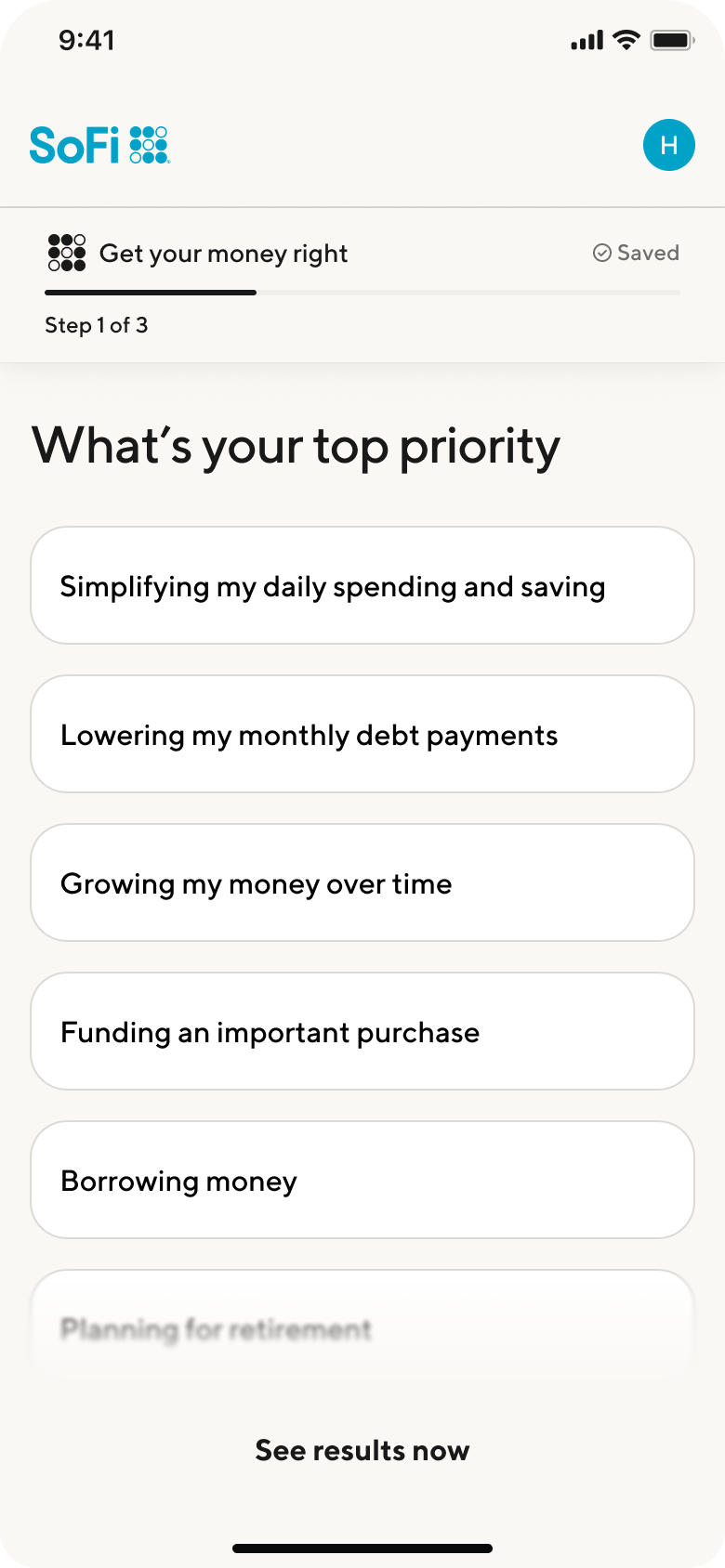
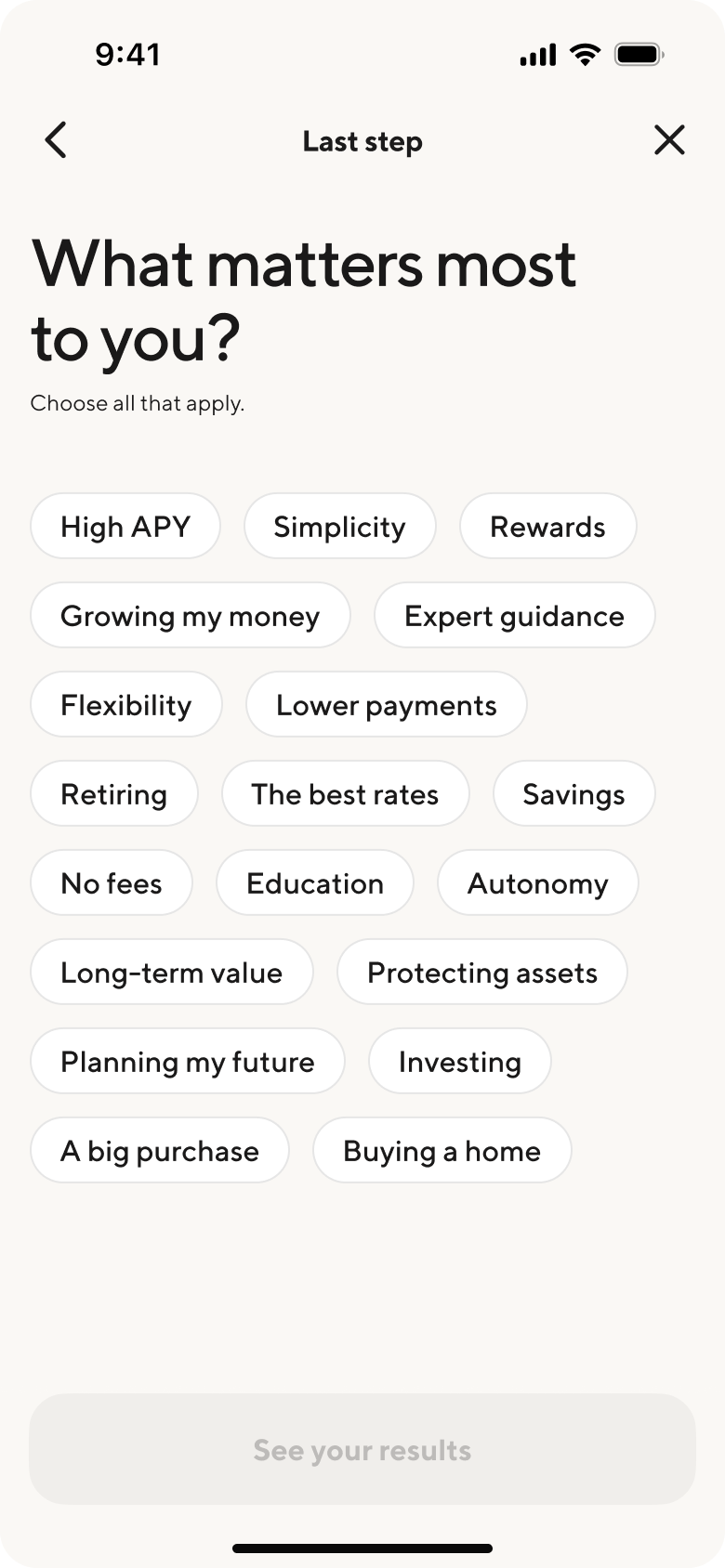
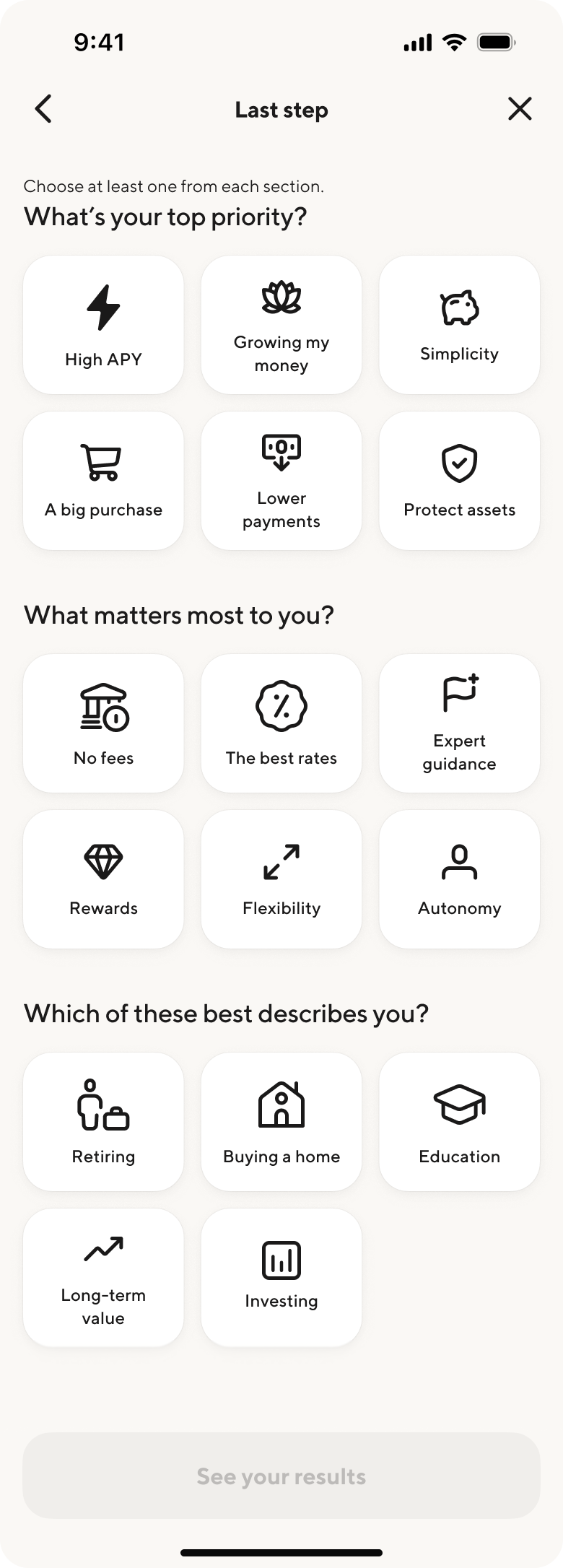
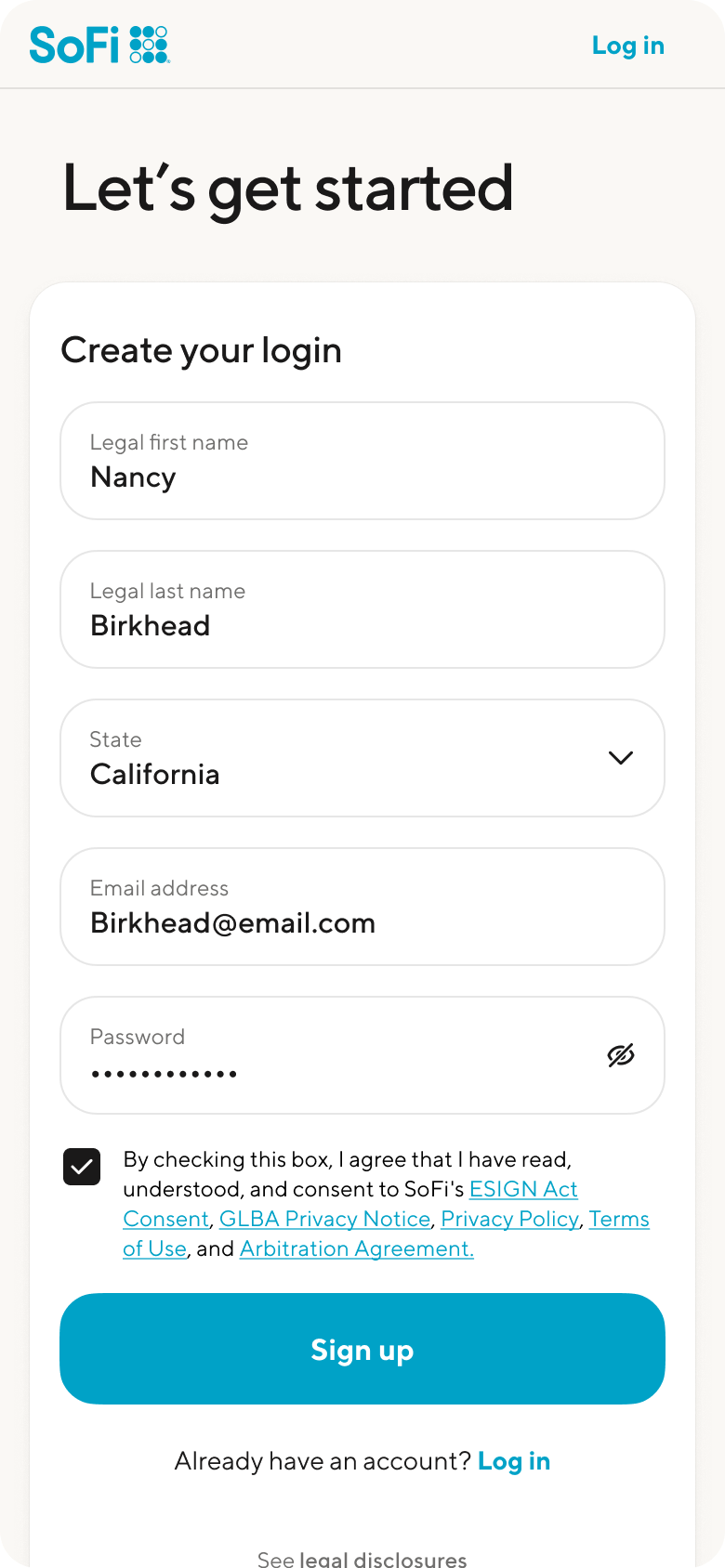
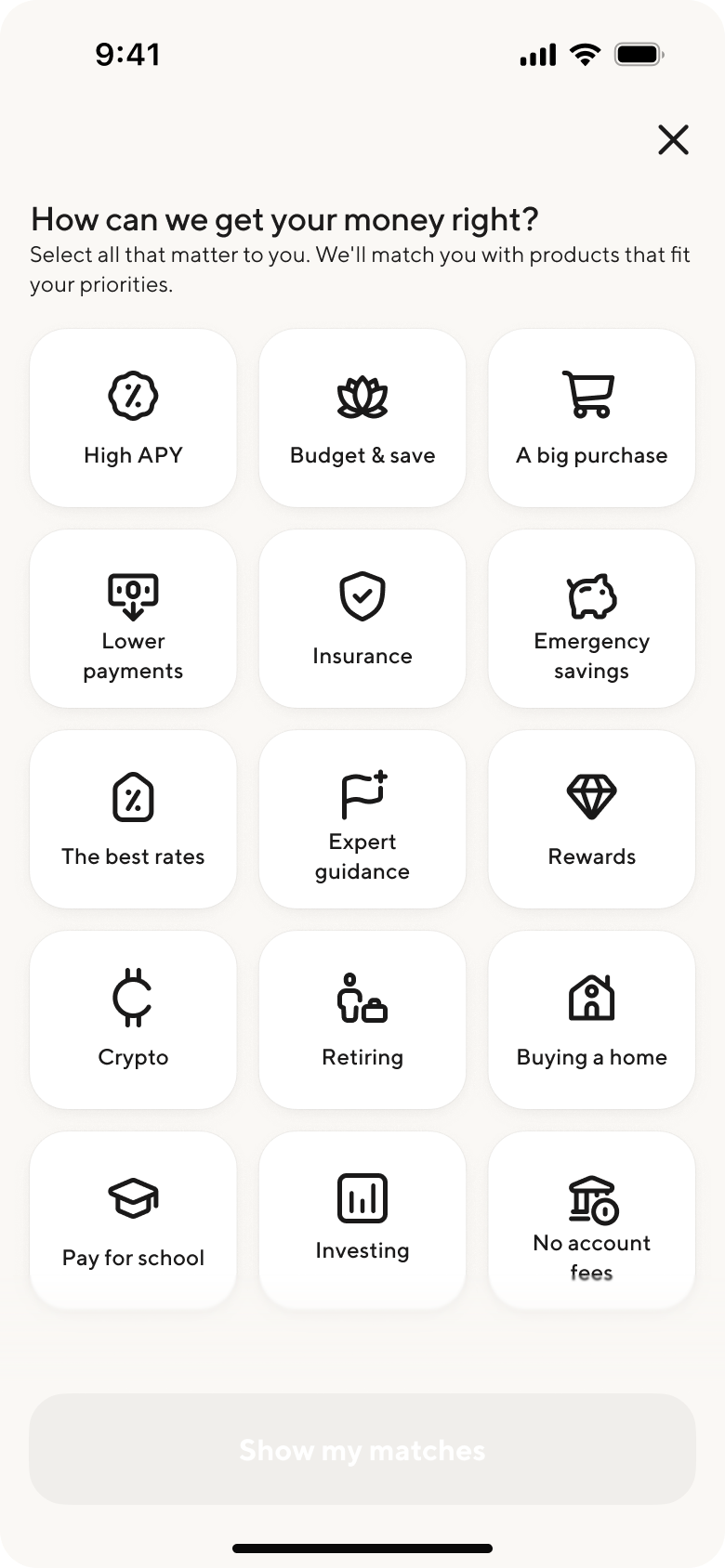
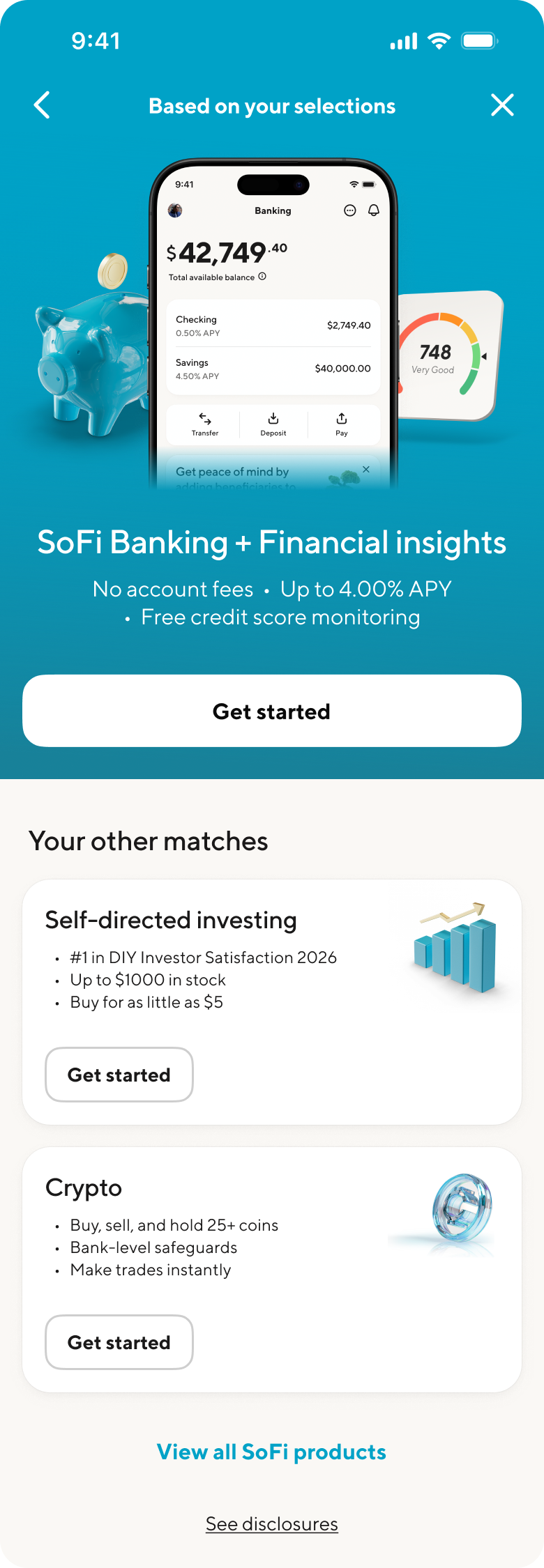
Phase 1 hit 100% of Money traffic on April 17, 2026, with an increase in Money account openings, a 34% consent opt-in rate, and $1.5–2M saved in marketing spend. The +92% lift in feature adoption validated the approach and gave the business confidence to invest in building out additional onboarding tests, along with improving the end-to-end onboarding experience across all SoFi product flows.
During my second week at SoFi, cross-functional leadership recruited me to help lead all content design for Smart Card, a new product offering that uses SoFi Checking and Savings balances to set a user's spending limit.
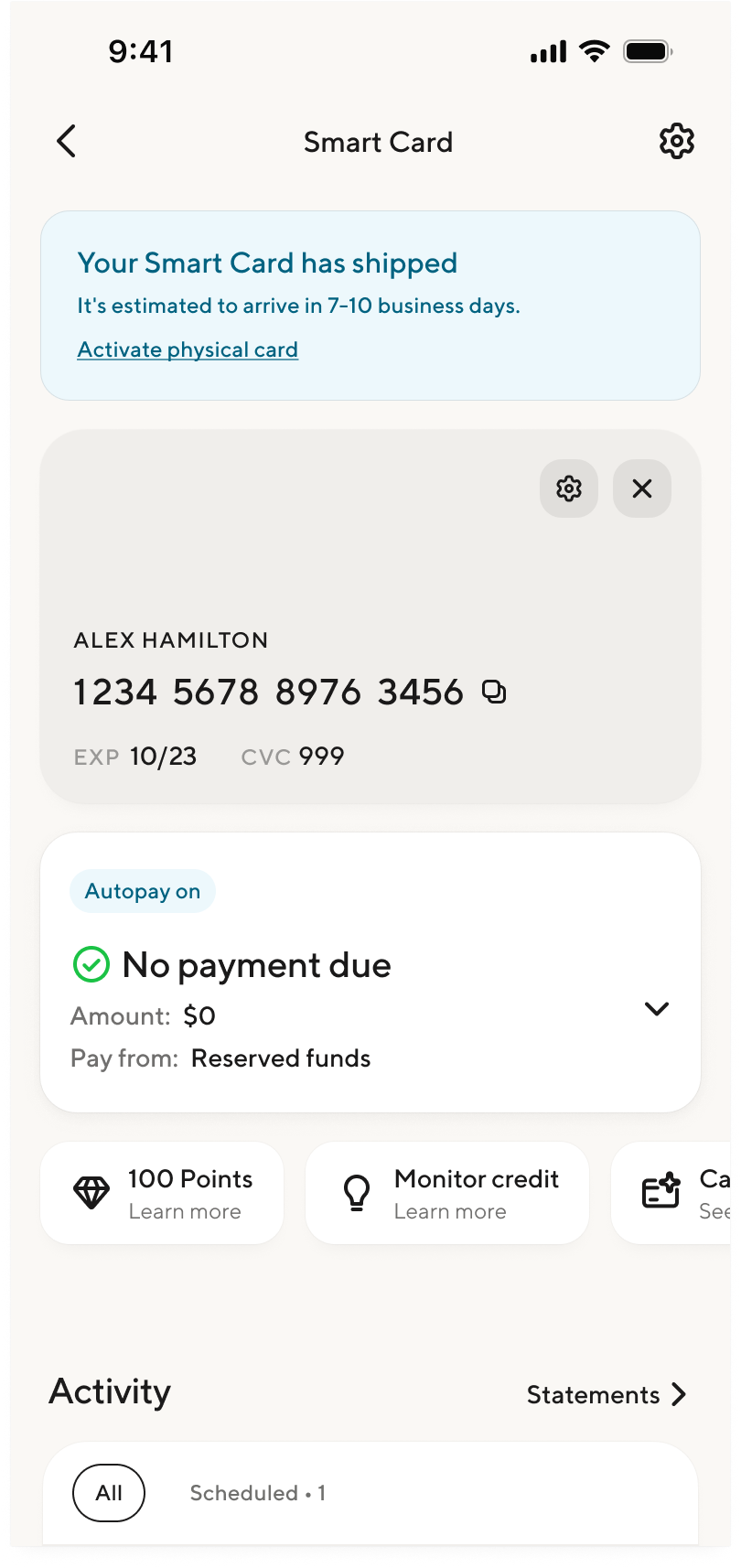
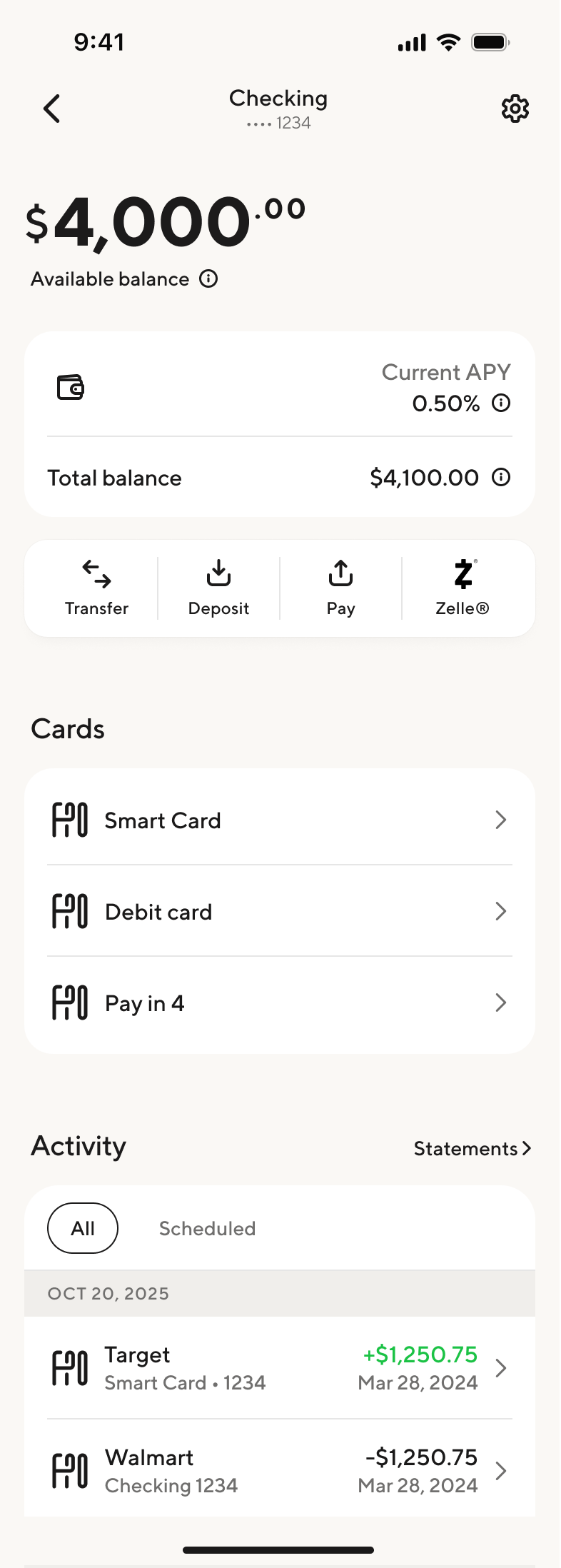
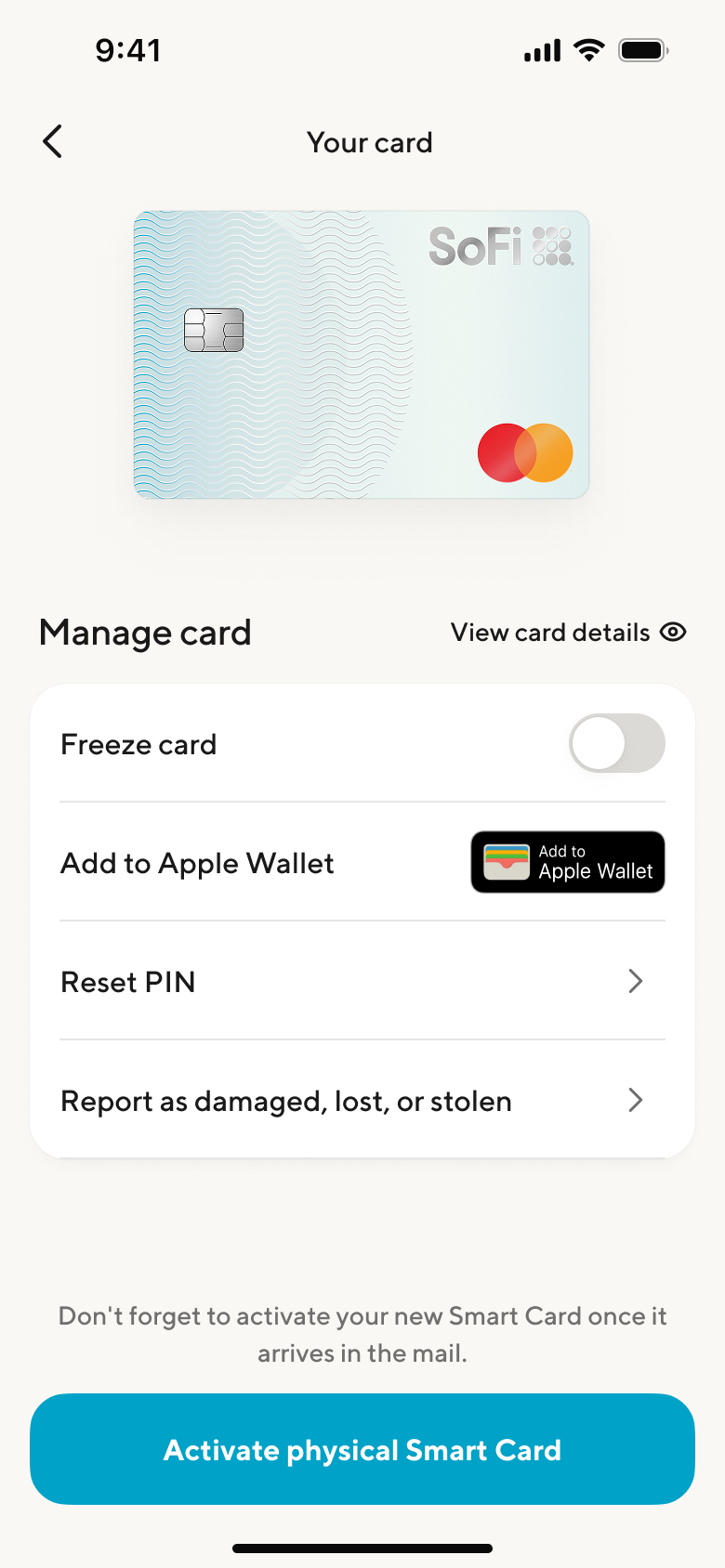
We launched this 0-to-1 product in less than 4 months. During that time, there were several quick pivots, including placing the card behind SoFi Plus, SoFi's premium membership.
With new updates to Claude Code and Cursor since the initial card launch, next time we'd be able to ship faster, smarter, with improved internal content and product systems.
New AI tools gave content design a rare opportunity: To completely redefine the role. I decided to lead this at SoFi—becoming the first to become a Cursor and Claude expert before anyone else, and turning into the person that the org turns to for how design and AI coexist.
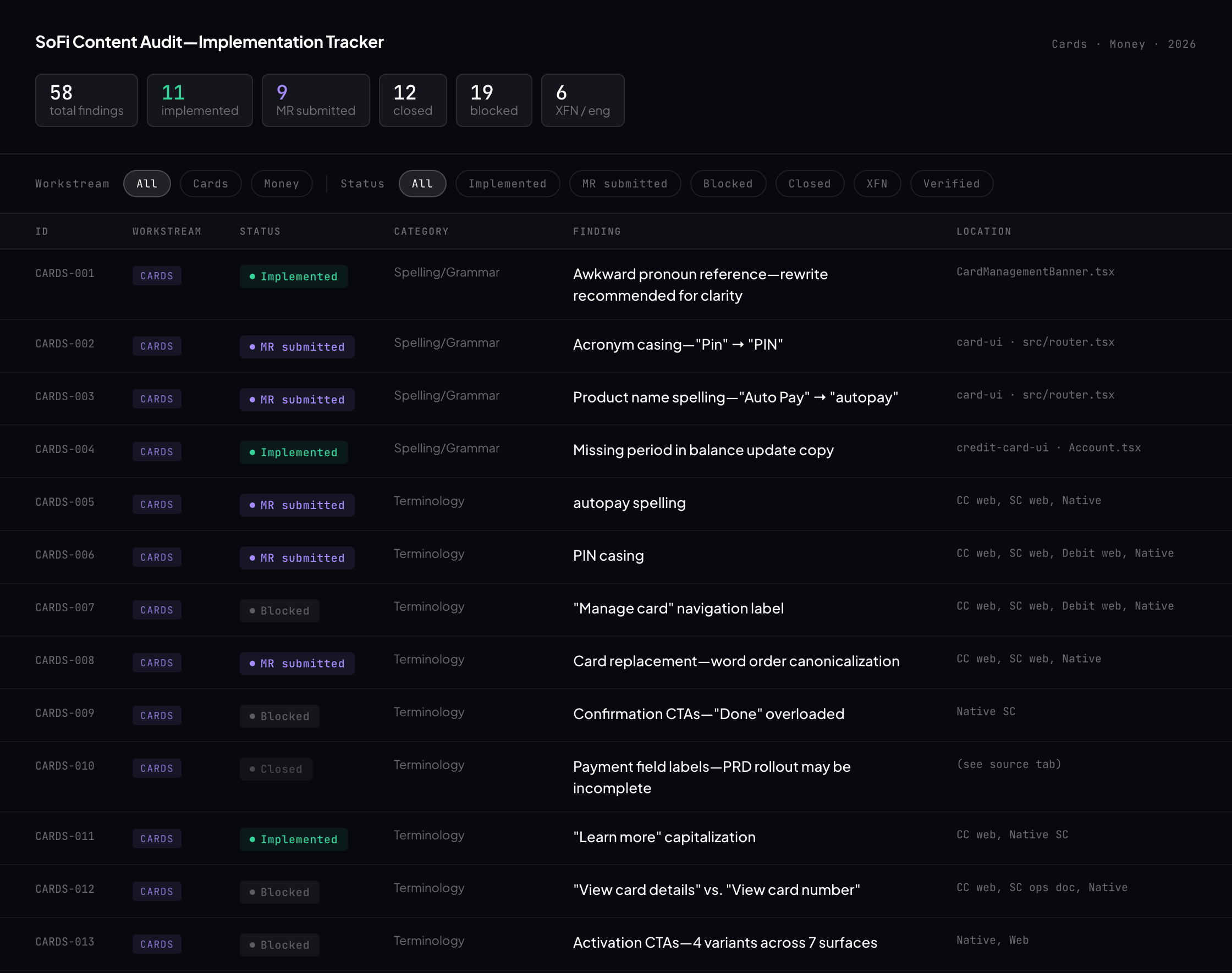
I was the first content designer at SoFi to set up Cursor, and I used it to audit and fix content directly in our code repos—terminology, error states, and inconsistencies that used to sit in a backlog waiting on engineering. Instead of writing up tickets and asking engineers to make the changes, I opened the merge requests myself, end to end. That collapsed the gap between spotting a content problem and shipping the fix, and it moved content quality from something my team requested to something we could own.
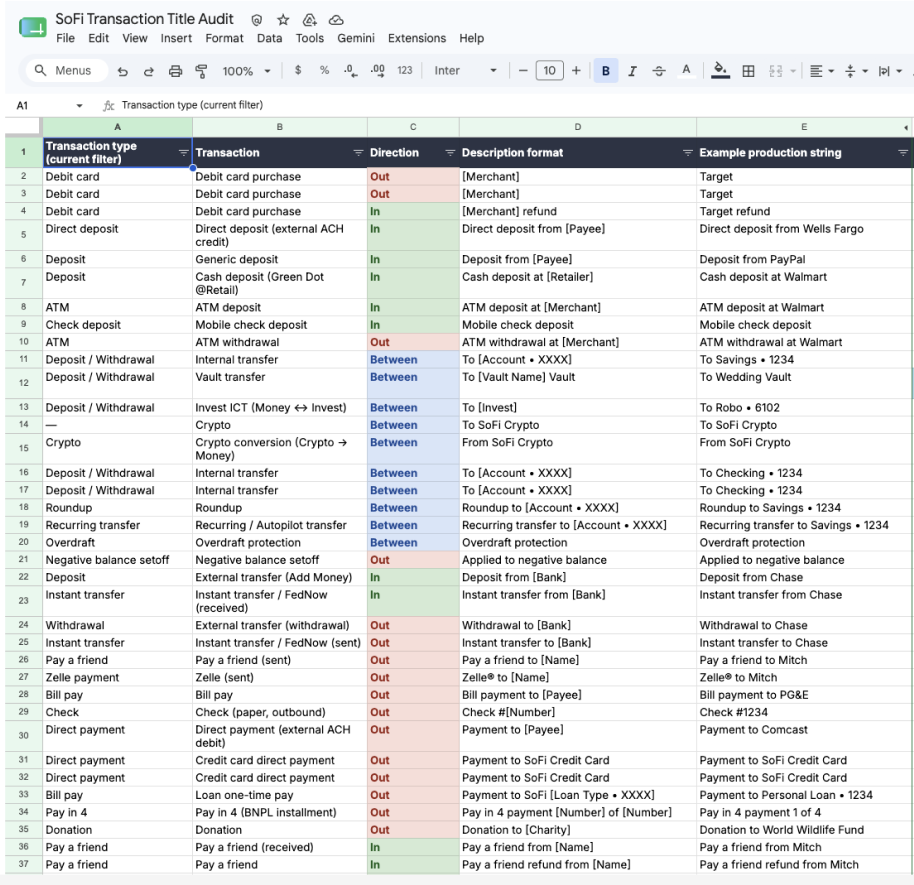
Most people are visual learners. So instead of asking stakeholders to picture a string from a spreadsheet, I build interactive prototypes that drop it into the real product screen—the transaction, the states around it, exactly how a customer would see it. Aligning on copy that used to take 2+ live syncs and juggling calendars now happens in a single Slack message.
Why describe a new product idea that you want on a roadmap when you can build a 0-to-1 prototype in an hour? This became the team's default way to pressure-test ideas before committing engineering time, cutting the gap between concept and shipped feature.
I've created training materials for the content design, product design, and product management teams that cover details such as using MCPs, Cursor, merge requests, and how to use our content design AI skills for self-service.
Outside of leading internal presentations of how to use AI to self-serve, I'm continuing to expand the impact I have and the larger content design department at SoFi has. Right now, I'm focused on defining a new working model that outlines how content design is involved in the product lifecycle for cross-functional teams.
MitchBotI design products from language to interface and build the systems behind them.